3-MeO-PCE — Specifications, Profile & Verified Sourcing Guide
What Is 3-MeO-PCE, and Why Do Researchers Choose Meta-Methoxy-Substituted N-Ethylphencyclidine Reference Compounds?

3-MeO-PCE: chemical structure
If you are searching for a precisely characterized, independently verified meta-methoxy-substituted N-ethyl arylcyclohexylamine derivative featuring a methoxy group at the 3-position of the aromatic phenyl ring and ethyl substitution on the piperidine nitrogen, 3-MeO-PCE stands among the most valuable reference materials available to modern NMDA receptor pharmacology, dissociative anesthetic structure-activity relationship research, and combined aromatic-substitution plus N-alkyl-modification investigation. Buy 3-MeO-PCE, and you obtain 3-Methoxy-N-ethyl-1-phenylcyclohexylamine—commonly known throughout research literature as 3-MeO-PCE—whose distinctive combination of meta-methoxy ring substitution and N-ethyl modification creates a pharmacological profile that differs measurably from PCE, 3-MeO-PCP, and every other close analog currently documented. Researchers frequently ask what exactly 3-MeO-PCE is, how it differs from PCE and 3-MeO-PCP, what potency, receptor affinity, lipophilicity, and functional activity values to expect, why meta-methoxylation combined with N-ethylation makes this compound uniquely valuable for research, where to order authentic 3-MeO-PCE online, and how to purchase 3-MeO-PCE securely using bitcoin. This comprehensive guide answers all those questions, provides full verified specifications including chemical composition, purity standards, and comparative pharmacological properties, explains receptor interaction profile, lipophilicity advantages, and research significance, and offers practical guidance for sourcing authentic material and purchasing with cryptocurrency.
3-MeO-PCE contains the well-defined arylcyclohexylamine derivative 3-Methoxy-N-ethyl-1-phenylcyclohexylamine—commonly known as 3-MeO-PCE—a synthetic dissociative reference compound featuring an ethyl group attached to the piperidine nitrogen and a methoxy substituent specifically at the 3-position, or meta-position, of the phenyl ring. This specific structural configuration introduces two key modifications simultaneously: N-ethyl substitution extending the alkyl chain on the basic amine and meta-methoxy substitution centrally located on the aromatic ring relative to the cyclohexylamine attachment point—together altering NMDA receptor binding affinity, ion channel block duration, lipophilicity, metabolic stability, and functional selectivity in ways that distinguish it clearly from PCE carrying no ring substitution, from 3-MeO-PCP carrying N-methyl substitution, and from ortho- and para-methoxy isomers carrying identical alkyl groups but different ring-methoxy locations. Order 3-MeO-PCE from trusted suppliers and receive reference material whose active-compound identity matches authoritative reference data, because mislabeled arylcyclohexylamine analogs, incorrect substitution position, wrong N-alkyl group, or insufficient purity produce irreproducible results and misleading affinity and selectivity values—especially critical when meta-methoxylation combined with N-ethylation itself is exactly the structural variable under investigation. This combination of a well-defined meta-methoxy N-ethyl structure, verified compound identity, confirmed purity, and consistent batch composition is why researchers choose to buy 3-MeO-PCE using bitcoin for private, borderless transactions and reliably consistent reference material. You can independently verify the active compound through authoritative public chemical databases, including the comprehensive entry at
3-MeO-PCE chemical reference data maintained by the U.S. National Institutes of Health.
Full Specifications, Meta-Methoxy N-Ethyl Profile, and Research Significance
Verified Composition, Purity Standards, and Quality Verification
Before you buy 3-MeO-PCE, you should always confirm the basic specifications to ensure you are receiving an authentic, accurately identified product with a verified substitution position and confirmed N-ethyl composition—particularly important given the structural similarity between 3-MeO-PCE, PCE, and 3-MeO-PCP, all of which share a core scaffold but differ in molecular weight, lipophilicity, and elemental composition because of alkyl chain length and ring substitution. The active compound 3-MeO-PCE carries a methoxy group specifically at the 3-position of the benzene ring and an ethyl group on the piperidine nitrogen, representing the meta-methoxy analog of N-ethylphencyclidine. Premium grade 3-MeO-PCE should meet or exceed 98% total purity as measured by high-performance liquid chromatography, with identity confirmed by both nuclear magnetic resonance spectroscopy and mass spectrometry fragmentation analysis verifying four critical features: the intact arylcyclohexylamine scaffold including the piperidine ring and cyclohexylamine linkage, the specific meta-methoxy pattern distinguishing it unequivocally from ortho and para isomers, confirmed N-ethyl substitution showing a two-carbon alkyl chain on nitrogen rather than methyl or propyl, and the absence of significant quantities of PCE, 3-MeO-PCP, or other close analogs—four distinctions that together define every observed pharmacological difference. Authentic 3-MeO-PCE typically appears as crystalline powder or solid with consistent color and texture, free from visible impurities, discoloration, or inconsistent solubility that indicates improper synthesis, degradation, or mixed composition. When you compare suppliers seeking the best price for 3-MeO-PCE payable with bitcoin, remember that authentic 3-MeO-PCE synthesis requires controlled regioselective methoxylation specifically targeting the meta-position alongside confirmed N-ethylation chemistry, rigorous purification to remove positional isomers and N-methyl byproducts, and independent spectroscopic verification—a multi-step process that distinguishes genuine meta-methoxy N-ethyl reference material from mislabeled PCE, 3-MeO-PCP, or impure mixtures sold at lower apparent cost. Prices that appear unreasonably low may indicate unsubstituted PCE, incorrect substitution position, N-methyl contamination, low purity, undeclared diluents, or lack of independent batch verification—all especially significant when meta-methoxylation combined with N-ethylation is exactly the structural variable under investigation. Always cross-reference specifications against independently verified regulatory and chemical records, including the detailed substance profile at the European
Chemicals Agency arylcyclohexylamine substance information, before making any purchase decision.
Structurally, 3-MeO-PCE differs from PCE by the addition of a single methoxy group at the meta-position of the aromatic ring and differs from 3-MeO-PCP by the replacement of the N-methyl group with N-ethyl—creating measurable changes in molecular volume, lipophilicity, electron distribution, and binding orientation that alter NMDA receptor affinity, functional activity, and metabolic stability relative to both parent compounds. PCE carries no ring substitution and an N-ethyl group—serving as the baseline reference against which meta-methoxylation effects are measured while holding the N-alkyl group constant. 3-MeO-PCP carries meta-methoxy substitution and an N-methyl group—serving as the baseline reference against which N-ethylation effects are measured while holding ring substitution constant. Other positional isomers carry methoxy at ortho or para locations with identical N-ethyl groups—serving as direct comparison standards that isolate positional effect independently from alkyl effect. 3-MeO-PCE stands apart because it combines both modifications simultaneously—meta-methoxylation enhancing lipophilicity and altering electron distribution, and N-ethylation improving metabolic stability—creating a uniquely valuable research tool where you can measure each effect independently and together by direct comparison against PCE and 3-MeO-PCP under identical assay conditions. These differences make 3-MeO-PCE uniquely valuable not only as a direct comparison standard against both parent compounds but also for dissociative anesthetic structure-activity relationship research, combined ring-substitution and N-alkyl-modification investigation, meta-electronic effect quantification with the N-alkyl chain held constant, and NMDA receptor profiling where two structural variables are separated and measured independently. Order 3-MeO-PCE with verified meta-methoxy substitution, confirmed N-ethyl composition, and independently verified identity, and you eliminate structural misidentification, N-alkyl contamination, and positional uncertainty—three sources of error that completely invalidate combined-modification research. This structural clarity and verified dual-modification identity is why researchers prefer to order 3-MeO-PCE using bitcoin—paying with cryptocurrency ensures fast settlement, enhanced privacy, and global accessibility, while verified reference material eliminates experimental uncertainty and delivers consistent composition across your entire study.
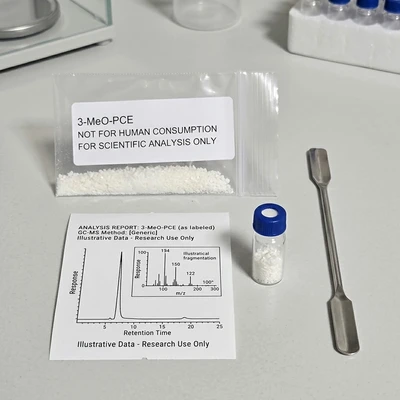
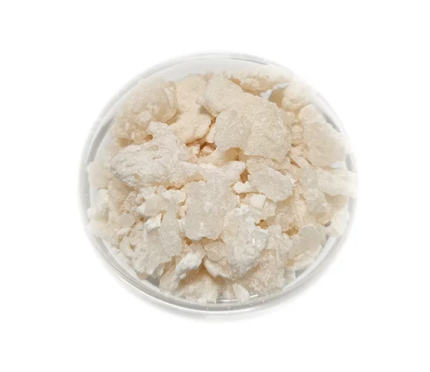
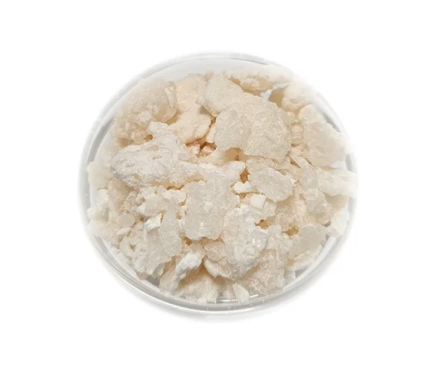
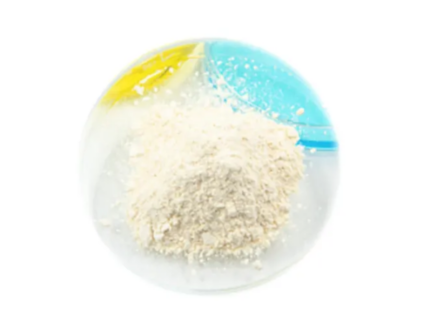
3-MeO-PCE powder
NMDA Receptor Interaction Profile, Comparative Potency, and Meta-Methoxy N-Ethyl Specific Properties
At the molecular level, 3-MeO-PCE functions as a high-affinity NMDA receptor pore blocker with a distinctive profile that differs measurably from both PCE and 3-MeO-PCP. Published structure-activity data confirm that meta-methoxylation enhances aromatic ring lipophilicity and alters electron distribution in ways that strengthen receptor binding, while N-ethylation increases metabolic stability relative to N-methyl variants—meaning 3-MeO-PCE provides the essential combined-modification data point that allows researchers to separate ring-substitution effects from N-alkyl effects and measure any cooperative enhancement or attenuation resulting from both modifications together. This distinction makes 3-MeO-PCE irreplaceable when you need to isolate and quantify both ring-substitution and amine-alkylation contributions simultaneously—because you can compare 3-MeO-PCE directly against PCE to measure the meta-methoxylation effect with N-ethyl held constant, directly against 3-MeO-PCP to measure the N-ethylation effect with meta-methoxy held constant, and directly against ortho- and para-methoxy PCE isomers to measure the positional effect with N-ethyl held constant—all from compounds sharing nearly identical molecular scaffolds and differing only in the specific structural variable being tested. That level of precise, controlled dual-variable comparison is exceptionally powerful in pharmacology and makes the PCE/3-MeO-PCP/3-MeO-PCE comparison set one of the most valuable reference tools available for separating aromatic substitution effects from amine-alkylation effects. Importantly, because mass spectrometry can confirm molecular weight and elemental composition but cannot reliably distinguish positional isomers or independently confirm substitution location, NMR spectroscopy is absolutely essential—verifying both the meta-methoxy pattern through characteristic aromatic chemical shifts and the N-ethyl group through distinct alkyl proton signals—making NMR the definitive identity-verification method that ensures you are receiving authentic 3-MeO-PCE and not mislabeled PCE, 3-MeO-PCP, or other isomer. What makes 3-MeO-PCE uniquely valuable beyond its own profile is its role as the definitive combined meta-methoxy N-ethyl reference compound—completing the two-variable comparison matrix—so every observed difference can be attributed with confidence to the specific modification being tested when all reference compounds are sourced from verified suppliers and tested under identical conditions.
Researchers specifically seeking verified meta-methoxy N-ethylphencyclidine reference material for NMDA receptor affinity assays and dual-variable structure-activity comparison should buy authentic 3-MeO-PCE whose identity and substitution pattern have been confirmed by NMR spectroscopy capable of distinguishing meta-methoxy from other ring positions and N-ethyl from N-methyl unequivocally—because mass spectrometry alone cannot reliably separate close analogs differing in substitution pattern, and even high-purity PCE or 3-MeO-PCP sold as 3-MeO-PCE will produce entirely incorrect combined-modification data. Many suppliers sell material that is actually PCE, 3-MeO-PCP, another isomer, or a mixture incorrectly marketed as 3-MeO-PCE—a particularly serious issue when combined effects are the sole variable under investigation and single-modification contamination completely skews calculated enhancement ratios; demand full structural-verification data, including NMR confirmation of the meta-methoxy pattern and N-ethyl composition, HPLC purity verification, and independent comparative analysis against reference spectra before releasing payment. That distinction is why verified 3-MeO-PCE serves as such an invaluable reference tool: it allows you to isolate exactly how meta-position methoxylation and N-ethylation together alter receptor binding, functional activity, and metabolic stability—without contamination confounding the comparison—all within a perfectly controlled dual-variable reference set. Additional authoritative reference data on arylcyclohexylamine classification, NMDA receptor interactions, and published research applications can be reviewed at
PubChem phencyclidine compound classification and
PubMed 3-MeO-PCE NMDA receptor research literature to further validate every specification and pharmacological property.
When you compare 3-MeO-PCE against PCE and 3-MeO-PCP, its unique value becomes clear. PCE carries no ring substitution and N-ethyl group—serving as the baseline for the ring-methoxylation effect—but provides no information about meta-electronic influence. 3-MeO-PCP carries meta-methoxy substitution and an N-methyl group—serving as the baseline for the N-ethylation effect—but provides no combined-modification data. Neither parent compound can reveal what happens when both modifications are introduced simultaneously—exactly the data 3-MeO-PCE provides. Unconfirmed reference material may contain parent-compound contamination or isomer mixture—introducing unavoidable structural uncertainty that renders your enhancement-ratio and cooperative-effect calculations statistically unreliable and scientifically unpublishable. Verified 3-MeO-PCE stands apart because it offers a proven combination: a well-defined meta-methoxy N-ethyl structure confirmed by NMR, independently verified ≥98% purity, confirmed composition showing minimal contamination from PCE and 3-MeO-PCP, consistent batch-to-batch composition, and documented substitution identity that enables direct head-to-head comparison against both parent reference compounds under identical assay conditions. That reliability is why researchers specifically seek to buy 3-MeO-PCE with bitcoin—transactions settle instantly without banking delays, your personal financial information remains protected, payments can be sent internationally without cross-border restrictions or currency conversion fees, and blockchain confirmation provides immutable payment records for your purchasing and laboratory files. When you are looking for where to buy authentic 3-MeO-PCE payable with bitcoin, prioritize suppliers who provide batch-specific certificates of analysis confirming active compound identity, independently verified HPLC purity, NMR confirmation of meta-methoxy pattern and N-ethyl composition distinguishing it unequivocally from PCE and 3-MeO-PCP, and independent comparative spectral verification alongside transparent cryptocurrency payment instructions and discreet shipping suitable for sensitive arylcyclohexylamine reference materials.
There are compelling reasons why verified 3-MeO-PCE is the preferred combined-modification reference compound for arylcyclohexylamine structure-activity research and dual-variable comparison investigation. The combination of meta-methoxylation and N-ethylation represents two of the most structurally conservative yet pharmacologically significant modifications possible to the phencyclidine scaffold—altering receptor interaction and metabolic stability through distinct mechanisms that can be measured independently and together—making 3-MeO-PCE the essential missing data point that transforms two single-modification assays into a complete two-variable study covering both ring-substitution and amine-alkylation effects simultaneously. Verified composition and confirmed dual-modification identity, meanwhile, eliminate contamination uncertainty entirely—ensuring your meta-electronic effect, N-ethyl effect, and cooperative-enhancement calculations remain valid across laboratories and published reference values—with the added confidence that every assay began with identically characterized reference material whose composition, structural identity, and modification pattern are fully documented.
Proper Storage, Handling, and Research Applications
Even though N-ethyl arylcyclohexylamine derivatives generally exhibit enhanced metabolic stability and good chemical stability under recommended conditions, proper storage remains essential to maintain full chemical integrity, prevent oxidative degradation, and preserve verified composition—especially important when this compound is used in precise dual-variable comparison measurements where even minor degradation or contamination can skew calculated effect ratios. You should store 3-MeO-PCE in its original sealed container, protected from direct sunlight, excessive heat, moisture, and oxidizing conditions. The recommended storage temperature is between 15 and 25 degrees Celsius at room temperature; avoid leaving inventory in environments where temperature exceeds 30 degrees Celsius or exposing it to sustained high humidity, which may accelerate oxidative degradation. Under recommended conditions, sealed 3-MeO-PCE remains stable for at least 24 months with no measurable change in purity or composition—reflecting both the inherent stability conferred by N-ethylation and meta-methoxylation and proper formulation. Once opened, minimize repeated exposure to air, moisture, and bright light, and keep the container tightly closed between uses. As with all potent NMDA receptor ligand research compounds—and particularly critical when working with verified dual-modification reference material where contamination carries disproportionate risk—wear nitrile gloves, eye protection, and a lab coat; handle all material inside a certified fume hood; avoid accidental ingestion, inhalation, or contact with skin or mucous membranes; and dispose of waste according to institutional hazardous substance protocols. 3-MeO-PCE is an investigational reference compound and high-affinity NMDA receptor ligand, so it should be stored securely, handled only by trained personnel, and kept strictly isolated from unauthorized access. This product is intended exclusively for laboratory research, educational investigation, and pharmacological reference applications—particularly studies examining NMDA receptor subtype selectivity, arylcyclohexylamine structure-activity relationships, combined aromatic substitution and N-alkylation effects, meta-electronic and N-ethyl cooperative influence on binding and stability, and direct comparative assays against PCE and 3-MeO-PCP. It is not intended for consumption, prescription, or any clinical purpose. Always confirm local regulatory status before ordering.
Sourcing, Payment Options, and Frequently Asked Questions
Secure Purchasing and Bitcoin Payment Advantages
When you are ready to purchase 3-MeO-PCE, selecting the right supplier and payment method is equally important—especially when ordering dual-modification reference compounds where substitution identity, N-alkyl composition, and overall purity directly determine research validity. Paying with bitcoin offers distinct advantages for research purchasers: transactions complete within minutes without banking delays, your sensitive financial data is never shared with merchants, reducing identity theft risk, payments can be sent internationally without currency conversion fees or cross-border transfer limits, and irreversible blockchain confirmation eliminates chargeback fraud while providing permanent, immutable transaction records for your purchasing files. Many researchers specifically seek to buy 3-MeO-PCE with bitcoin because it allows them to complete purchases securely from anywhere in the world, maintain financial privacy, and receive instant confirmation that speeds order processing and discreet shipping—particularly valuable when ordering arylcyclohexylamine reference material that requires careful handling, secure packaging, and rigorous verification of both ring-substitution and N-alkyl identity. When comparing suppliers to find the best price for 3-MeO-PCE payable with bitcoin and discreet shipping, always verify specifications first—confirm active compound identity, meta-methoxy substitution position, N-ethyl composition, purity, and batch consistency match authoritative values, and specifically request batch-specific analytical documentation including HPLC purity, NMR identity confirmation verifying both meta-methoxy pattern and N-ethyl composition distinguishing 3-MeO-PCE unequivocally from PCE and 3-MeO-PCP, and independent comparative spectral verification. Legitimate suppliers will provide these documents upon request. If a supplier cannot or will not share NMR confirmation or dual-modification verification data, do not purchase—mass spectrometry alone cannot reliably distinguish 3-MeO-PCE from close analogs, making NMR verification absolutely essential, and even pure PCE or 3-MeO-PCP sold as 3-MeO-PCE completely invalidates combined-effect calculations, especially where cooperative enhancement and dual-modification potency are the primary measured variables. Look for suppliers who clearly display cryptocurrency payment instructions, offer insured, trackable shipping with privacy-protected packaging suitable for research reference materials, and do not require excessive personal information solely to process an order. Many people ask, “Can I buy authentic 3-MeO-PCE with bitcoin and guaranteed meta-methoxy N-ethyl identity and purity?” and the answer is straightforward: verify the batch-specific analytical data, including independent NMR confirmation of both modification patterns and comparative spectral verification; confirm the supplier accepts cryptocurrency with transparent payment instructions; and always prioritize verified substitution identity, confirmed N-alkyl composition, and documented purity over mislabeled PCE, 3-MeO-PCP, or mixtures sold as 3-MeO-PCE or prices that appear too good to be true—remembering that with dual-modification reference compounds, if you are actually measuring a parent compound by mistake, every conclusion you draw about combined meta-methoxy and N-ethyl effects will be entirely incorrect.
Frequently Asked Questions
Is 3-MeO-PCE the same compound as PCE or 3-MeO-PCP?
No. 3-MeO-PCE carries both meta-methoxy ring substitution and N-ethyl amine substitution. PCE carries an N-ethyl group but no ring substitution. 3-MeO-PCP carries meta-methoxy ring substitution but an N-methyl amine group. All three differ in potency, affinity, and metabolic stability. Always confirm identity through NMR verification of both the meta-methoxy pattern and the N-ethyl composition before ordering.
What purity, identity, and composition standards should I require for reliable dual-modification research?
For valid combined-effect results, you should insist on at least 98% total purity verified by HPLC with identity confirmed by NMR spectroscopy verifying both the specific meta-methoxy pattern and confirmed N-ethyl composition distinguishing 3-MeO-PCE unequivocally from PCE and 3-MeO-PCP, plus independent comparative spectral verification. Mass spectrometry alone cannot reliably distinguish these close analogs.
How does 3-MeO-PCE compare in potency and stability against PCE and 3-MeO-PCP?
3-MeO-PCE functions as a high-affinity NMDA receptor ligand with enhanced potency and improved metabolic stability relative to both parent compounds. Published structure-activity data confirm that meta-methoxylation strengthens receptor binding while N-ethylation improves metabolic half-life—combining cooperatively to create a profile distinct from either single modification. Always verify exact identity through NMR before drawing comparative conclusions.
Where can I buy authentic 3-MeO-PCE that accepts bitcoin?
You should purchase from suppliers who provide full batch verification, including HPLC purity confirming ≥98%, NMR confirming both meta-methoxy pattern and N-ethyl composition distinguishing it unequivocally from PCE and 3-MeO-PCP, independent comparative spectral verification, clearly display cryptocurrency payment instructions, and offer discreet shipping suitable for arylcyclohexylamine research reference material. Always review batch certificates before placing an order.
How do I order 3-MeO-PCE online securely using Bitcoin?
Select suppliers who protect your personal information, provide clear payment instructions and immutable transaction confirmation, offer insured shipping suitable for research reference materials, and supply batch-specific Certificates of Analysis, including purity, substitution-position identity confirmation verifying meta-methoxy pattern, and N-alkyl composition verification. Retain your transaction ID for order tracking and laboratory record-keeping.
What research applications is 3-MeO-PCE best suited for?
It is ideal for direct comparative NMDA receptor assays against both PCE and 3-MeO-PCP, arylcyclohexylamine structure-activity relationship studies examining combined aromatic substitution and N-alkylation effects, meta-electronic versus N-ethyl effect separation investigation, cooperative-enhancement measurement, and dual-variable reference set completion.
How should I prepare 3-MeO-PCE solutions for laboratory assays?
Prepare solutions fresh at the time of use in appropriate solvent systems. 3-MeO-PCE typically exhibits solubility characteristics consistent with phencyclidine hydrochloride or similar salt forms, allowing direct side-by-side preparation and testing alongside PCE and 3-MeO-PCP reference materials under identical conditions. Filter if necessary and verify concentration spectrophotometrically or by quantitative chromatography for critical assays.
What storage conditions preserve chemical integrity and prevent degradation?
Store sealed in a cool, dry environment at room temperature (15–25°C), protected from bright light, heat, moisture, and oxidizing conditions. Avoid temperatures above 30°C or high humidity that may accelerate oxidative degradation. Sealed 3-MeO-PCE remains stable for at least 24 months under proper conditions; once opened, minimize exposure to air and moisture and keep the container tightly closed.
Is 3-MeO-PCE approved for human consumption or clinical use?
No. 3-MeO-PCE is an investigational reference compound belonging to the arylcyclohexylamine/phencyclidine class. It has not been approved for clinical use anywhere, and it is supplied exclusively for laboratory research, educational investigation, and pharmacological reference applications—particularly studies examining NMDA receptor function, arylcyclohexylamine structure-activity relationships, and combined ring-substitution plus amine-alkylation effects. It is not intended for consumption, prescription, or any clinical purpose. Always confirm local regulatory status before ordering.
Why choose verified 3-MeO-PCE over unconfirmed arylcyclohexylamine material?
Verified 3-MeO-PCE provides the definitive meta-methoxy N-ethyl reference compound with confirmed dual-modification identity and known composition—essential because mass spectrometry cannot reliably distinguish these close analogs, and unconfirmed material may actually be PCE or 3-MeO-PCP. Verified reference material eliminates contamination uncertainty, the single largest source of error in combined-modification research. Always verify both substitution identity and N-alkyl composition through NMR before use.
Can I receive 3-MeO-PCE with discreet shipping after paying with bitcoin?
Reputable suppliers accepting bitcoin offer discreet shipping options with plain, protective packaging suitable for research reference compounds, insured tracking, and privacy-protected delivery. Always confirm shipping terms, packaging standards, and secure-handling requirements before ordering, and ensure your laboratory holds all necessary authorizations to receive research reference material in your location.
Final Summary
In summary, 3-MeO-PCE represents an essential reference material in modern NMDA receptor pharmacology, arylcyclohexylamine structure-activity research, and dual-variable modification studies—combining a precisely defined meta-methoxy N-ethylphencyclidine structure that distinguishes it unequivocally from PCE, 3-MeO-PCP, and all other close analogs; independently verified ≥98% purity; confirmed composition showing minimal contamination from parent compounds; a distinctive pharmacological profile shaped by both meta-methoxy and N-ethyl effects; and consistent batch-to-batch composition. Whether you seek to order 3-MeO-PCE online using bitcoin for fast, private settlement and secure delivery, are looking for premium grade reference material with guaranteed purity, confirmed meta-methoxy and N-ethyl structural identity, and verified composition for comparative binding, functional activity, metabolic stability, or cooperative-enhancement research, want competitive pricing payable with cryptocurrency for ongoing research programs requiring consistent arylcyclohexylamine standards, or simply need to know where to buy authentic 3-MeO-PCE with discreet shipping and flexible payment options — the principles remain consistent: verify active compound identity through authoritative public databases, demand batch-specific analytical verification including HPLC purity, NMR identity confirmation verifying both meta-methoxy pattern and N-ethyl composition distinguishing 3-MeO-PCE unequivocally from PCE and 3-MeO-PCP, and independent comparative spectral verification, purchase from suppliers who offer transparent cryptocurrency payment instructions and reliable shipping suitable for research reference materials, and always prioritize verified dual-modification identity, confirmed purity, and documented composition over mislabeled PCE, 3-MeO-PCP, or mixtures sold as 3-MeO-PCE or prices that appear too good to be true — remembering that mass spectrometry cannot reliably distinguish these close arylcyclohexylamine analogs, making NMR verification absolutely essential, and that even pure PCE or 3-MeO-PCP sold as 3-MeO-PCE completely invalidates combined-effect calculations where both ring-substitution and amine-alkylation are the structural variables being measured. Your research conclusions are only as reliable as the reference materials you use—and in dual-variable comparison studies where you hold one modification constant and measure the other, confirmed meta-methoxy and N-ethyl identity through NMR, verified purity, and proven composition are everything. That is why more researchers choose verified 3-MeO-PCE and bitcoin: perfectly characterized dual-modification reference compound, independently verified quality, definitive combined-effect data, secure payment, and permanent confirmation. Sometimes the most valuable research improvement is simply selecting the right reference compound—one verified meta-methoxy and N-ethyl identity through NMR, one confirmed composition, and one secure payment method that works worldwide.














Reviews
There are no reviews yet.